
Department of Performance & Composition
Overview
This program not only develops musicianship and expressiveness, but also teamwork and interpersonal skills.
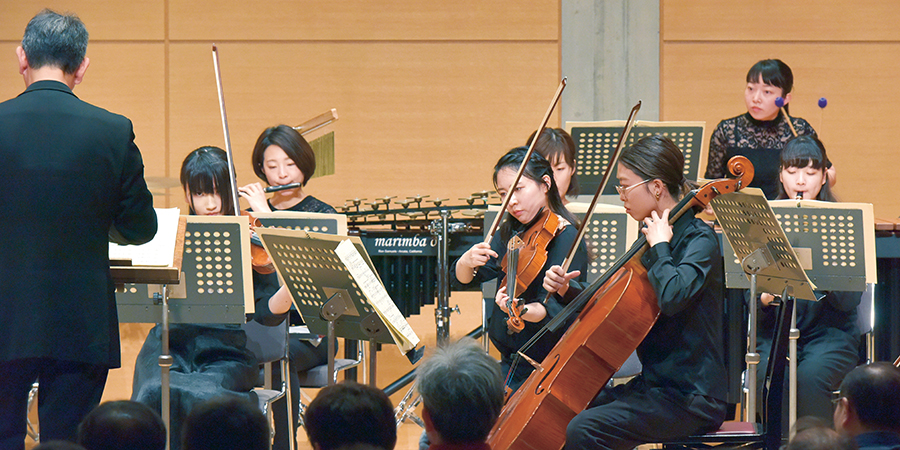
We aim to develop performers and creators with rich humanity who can utilize their high level of musical skill and wide-ranging knowledge to support diverse musical cultures and actively promote their development, with the aim of realizing a better society. Performance-related majors not only enhance performer skills and expressiveness, but also enhance teamwork and interpersonal abilities. Creative majors develop the ability to think independently and thrive in a variety of fields. By taking courses, students can also acquire more advanced specialized knowledge and skills.
- Vocal Music
- Keyboard Instruments Music
- String, Wind & Percussion Music
- Jazz Music
- Composition
- Sonology (formerly Computer Music)
Educational purpose
We aim to train talented individuals who have broad musical knowledge, high performance and creative skills, and the ability to cooperate with people with diverse values, and who can be active in a variety of musical fields.
Admissions Policy
We seeks students who are eager to learn a wide range of musical knowledge and techniques, who contemplate deeply the power of music in various cultures and fields, and who wish to contribute to society.
Curriculum Policy
Department of Performance & Composition is divided into the following majors for the purpose of exploring specialized fields: vocal music, keyboard instruments, string and wind instruments, percussion instruments, jazz, composition, and computer music.
In the foundation courses for vocal, keyboard, stringed, wind and percussion, and Jazz Music, students acquire the skills and knowledge necessary for each major. In the specialized courses, students acquire specialized knowledge and techniques in each major's field of activity and develop the collaborative skills required as a performer. In addition, by taking courses established for each major, students can acquire advanced specialized knowledge and skills.
In the foundation courses for both the creative composition and computer music majors, students can learn the basic knowledge and techniques for creation. In the specialized courses, students can acquire a wide range of skills necessary for active creative work through more advanced creative work and research.
Diploma Policy
Students learn basic knowledge and skills in music as performers, composers, or instructors, and then, according to the characteristics of their respective majors, they acquire the ability to apply and utilize these knowledge and influence society through music.
Vocal Music
To master vocal music, it is also necessary to master language.
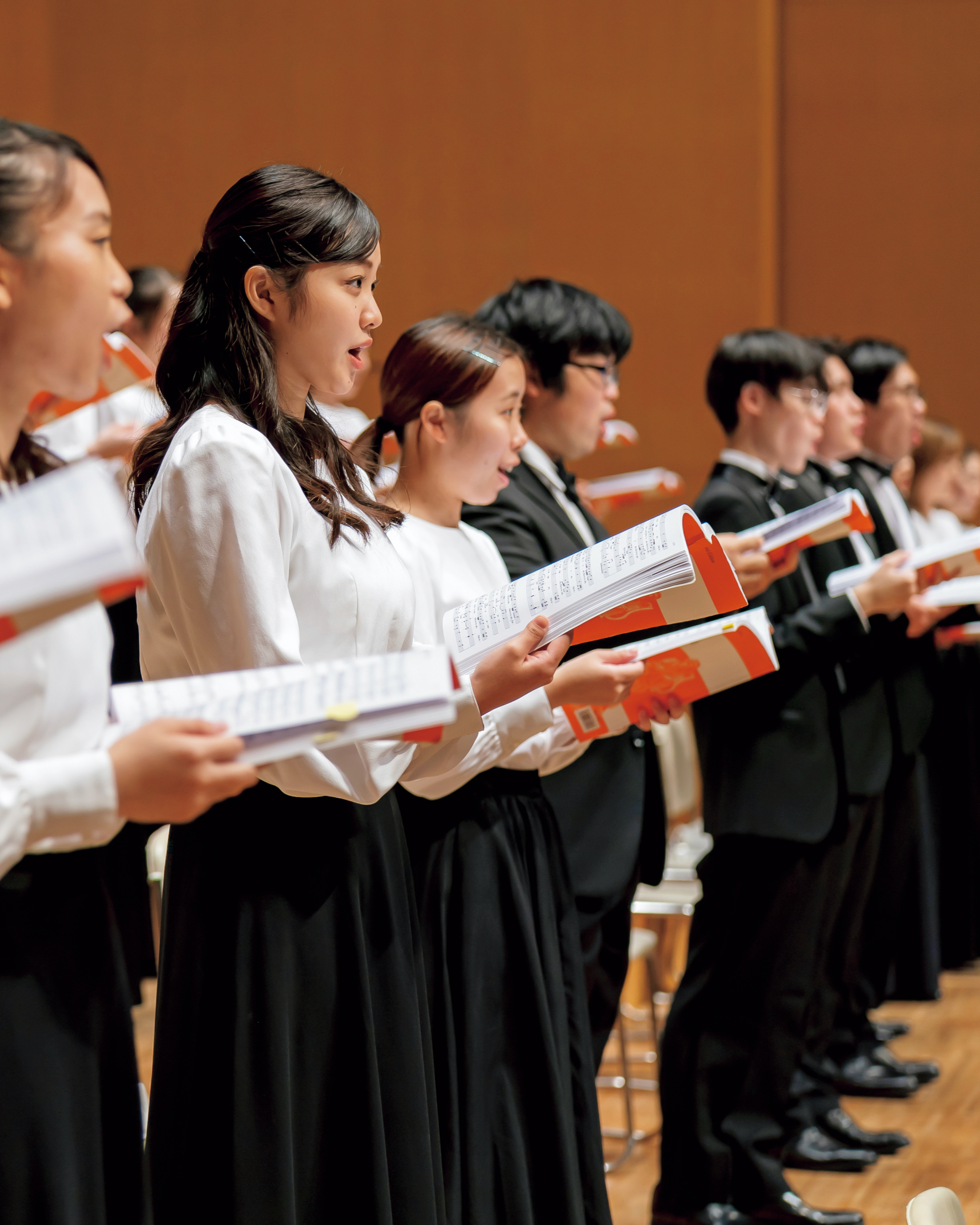
Starting in the "Basic Course," students begin systematic diction training. In Italian, German, and French, students not only master correct pronunciation, but also acquire natural pronunciation that blends with the rhythm of the music, understand the meaning of words, and master the subtle nuances of vowels and consonants, all of which lead to rich expressiveness. After mastering the fundamentals of vocal music, students also study songs, operas, oratorios, and other works in various languages, attempting to integrate language skills, which are essential for vocal music. Furthermore, in the "Specialized Course," students can choose from more specialized courses, such as the "Song Soloist Course" and "Opera Soloist Course" (selection required), and also receive a wide range of training, including as a conductor, répétitivist, or choral director.
Keyboard Instruments Music
We take the time to bring out the unique charm of each individual player.
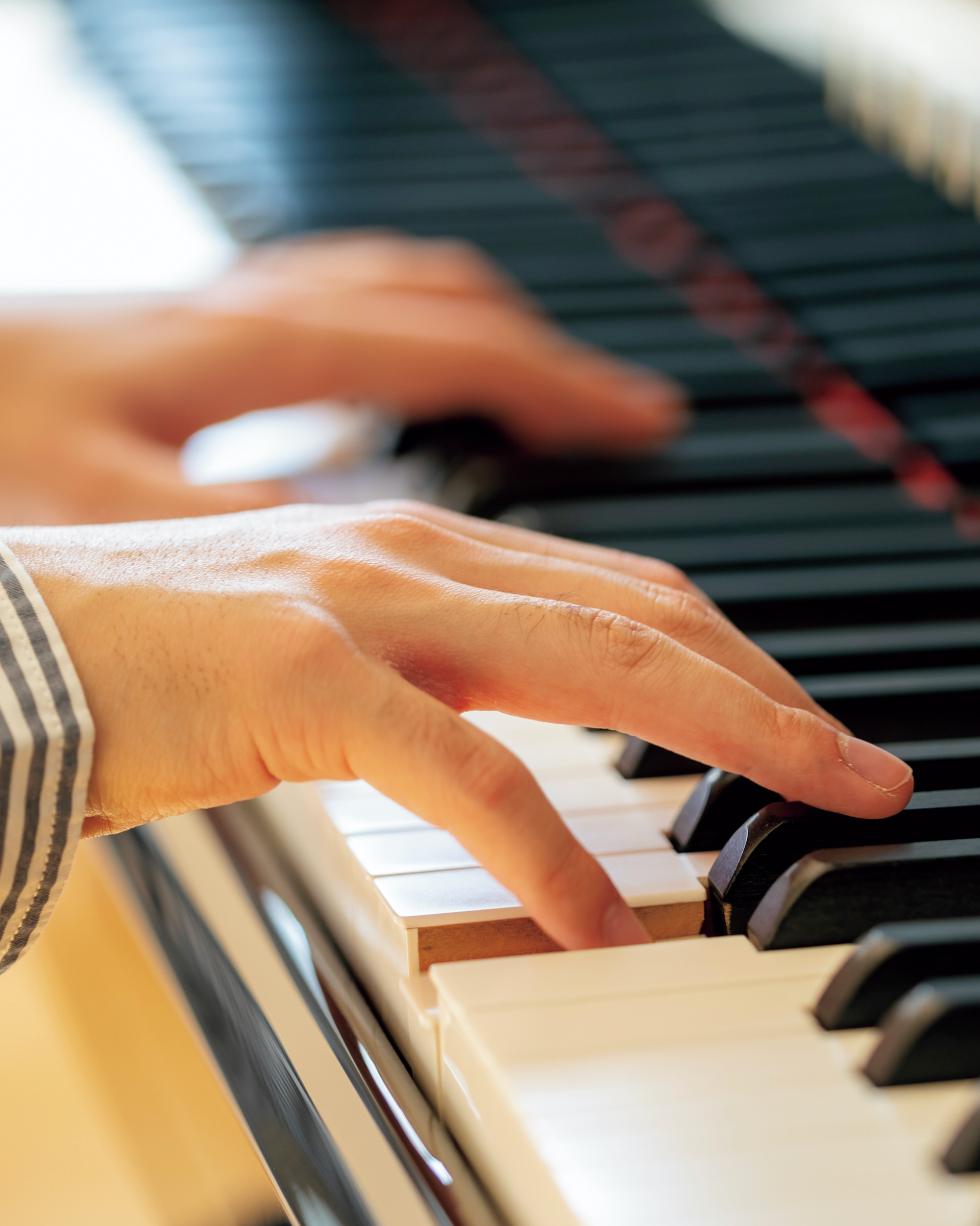
In the "Basic Course," students learn the three elements of rhythm, melody, and harmony through "basic research" classes, incorporating "movement" as a form of physical expression. They also learn vocal elements essential to performance, incorporating breathing techniques and other techniques, to explore more sophisticated forms of musical expression. Meanwhile, the "Specialized Course" offers a wide range of fields to choose from depending on your goals. The "Keyboard Instrument Soloist Course" and "Ensemble Piano Course" allow students to further develop their expertise, while the "Piano Course" allows students to take on the challenge of concertos and ensembles, which are forms of comprehensive expression. Furthermore, the "Piano Pedagogy Course" allows students to experience a "teaching practice" where they actually teach children, greatly expanding the possibilities of keyboard instruments.
String, Wind & Percussion Music
We will explore various "ensembles" step by step and explore the possibilities of sound.
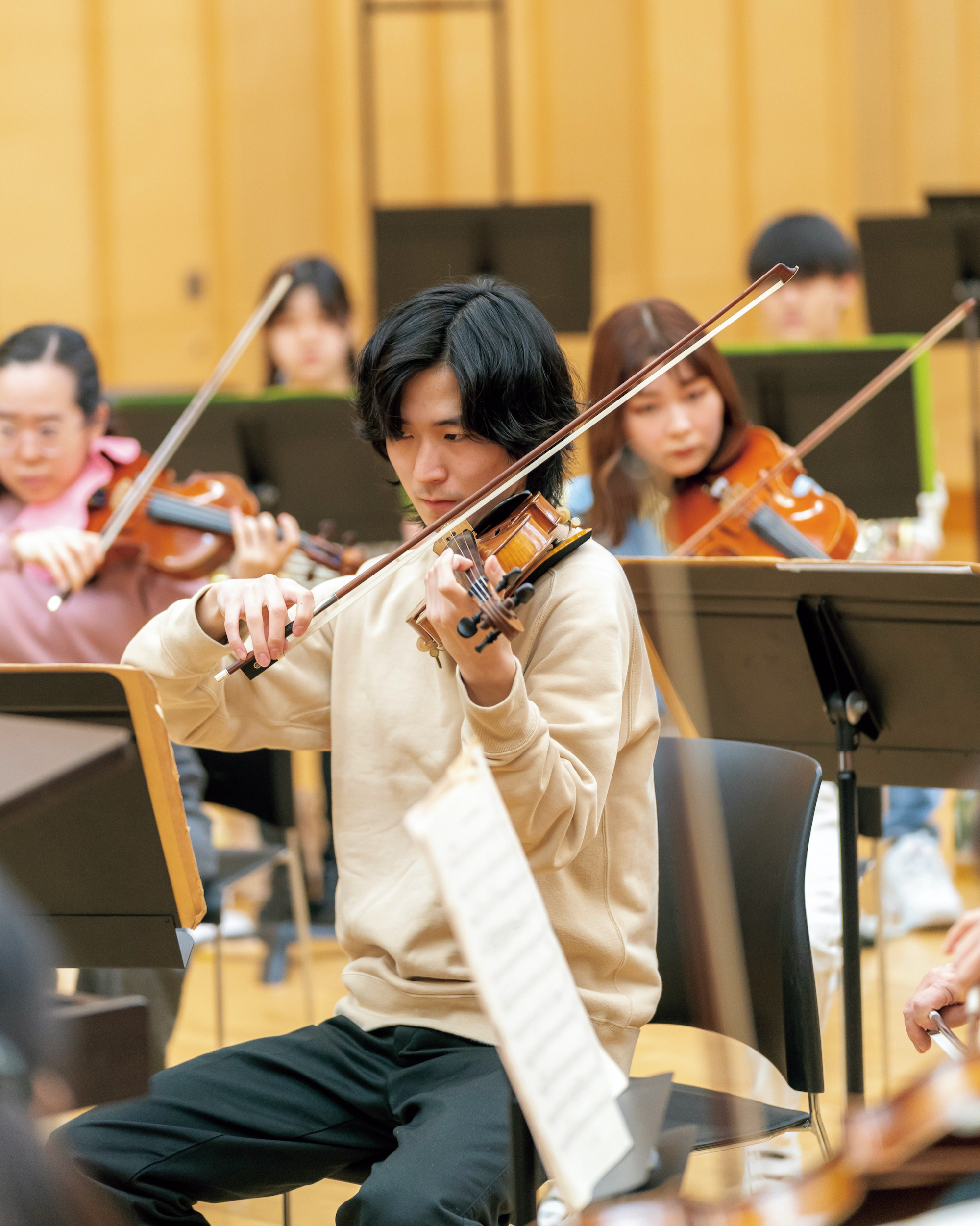
We offer a variety of ensemble education programs that go beyond traditional frameworks. The Basic Course incorporates ensembles with related string, wind, and percussion instruments into the curriculum. These ensembles explore the inherent sonic potential of each instrument, achieving a unified tone while covering a wide range of tones. Students also progress through gradual exploration into mixed ensembles, including woodwind and brass ensembles, wind bands, and orchestras, to acquire comprehensive skills. Furthermore, the Specialized Course offers courses such as the Strings, Winds, and Percussion Soloist Course String Orchestra Player Course, which offer greater expertise Arts Management Course, which equips students with a broader knowledge of music and aims to become music managers; and the Wind Band Instructor Course, which prepares students to become instructors.
Jazz Music
We provide specialized and systematic education in jazz.
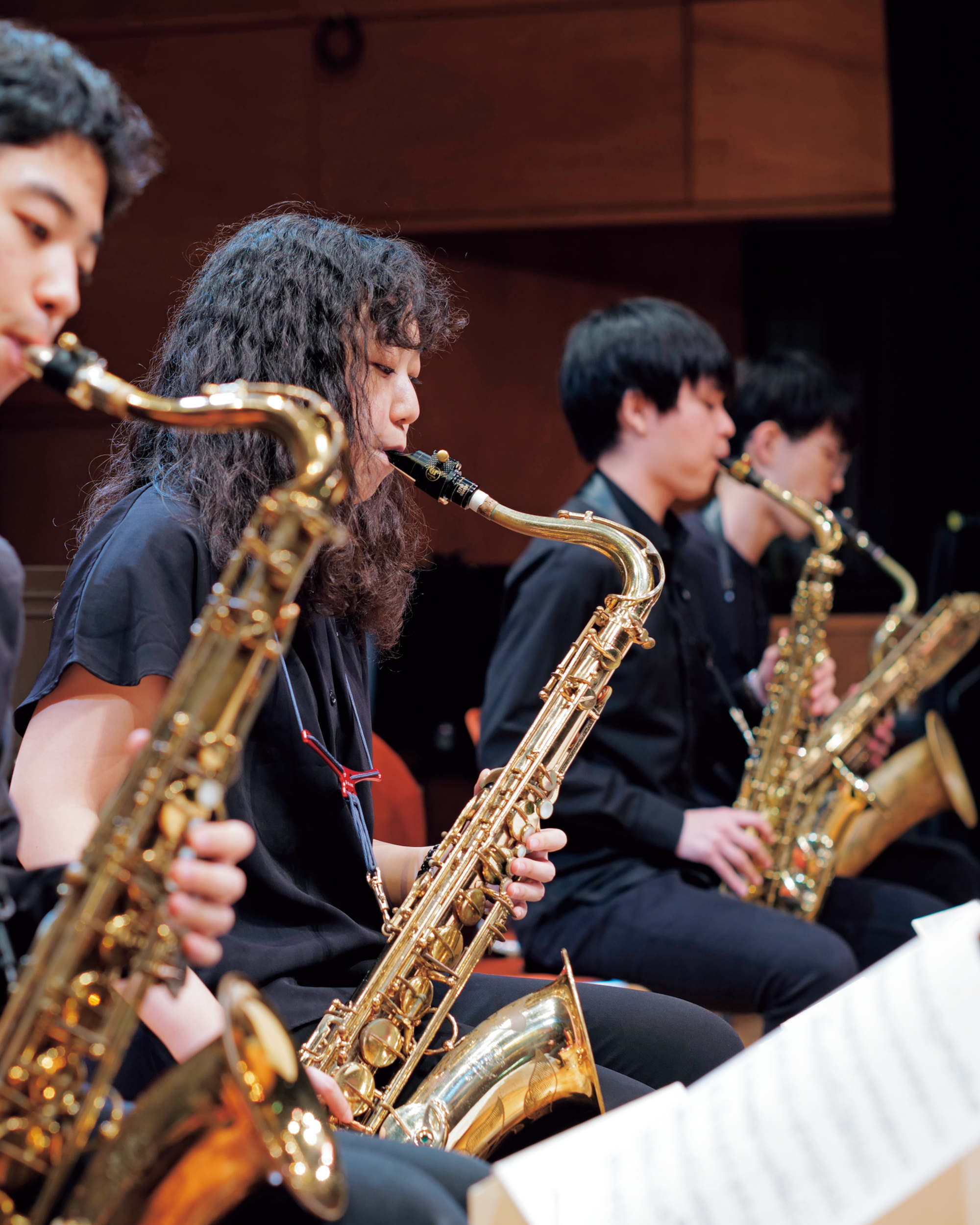
Based on classical music, we offer unique jazz classes taught by top-notch staff. Students learn specialized techniques for their major instruments, such as piano voicings for piano majors, bass line research for bass majors, and rhythm patterns for drum majors, through rhythm training, jazz ensemble, and big band classes. Students also learn how to enjoy complex rhythms, create deep harmonies and melodies, and gain practical experience in staging and music recording.
We aim to develop jazz musicians with a broad perspective who can understand, perform, and create music in any genre or form.
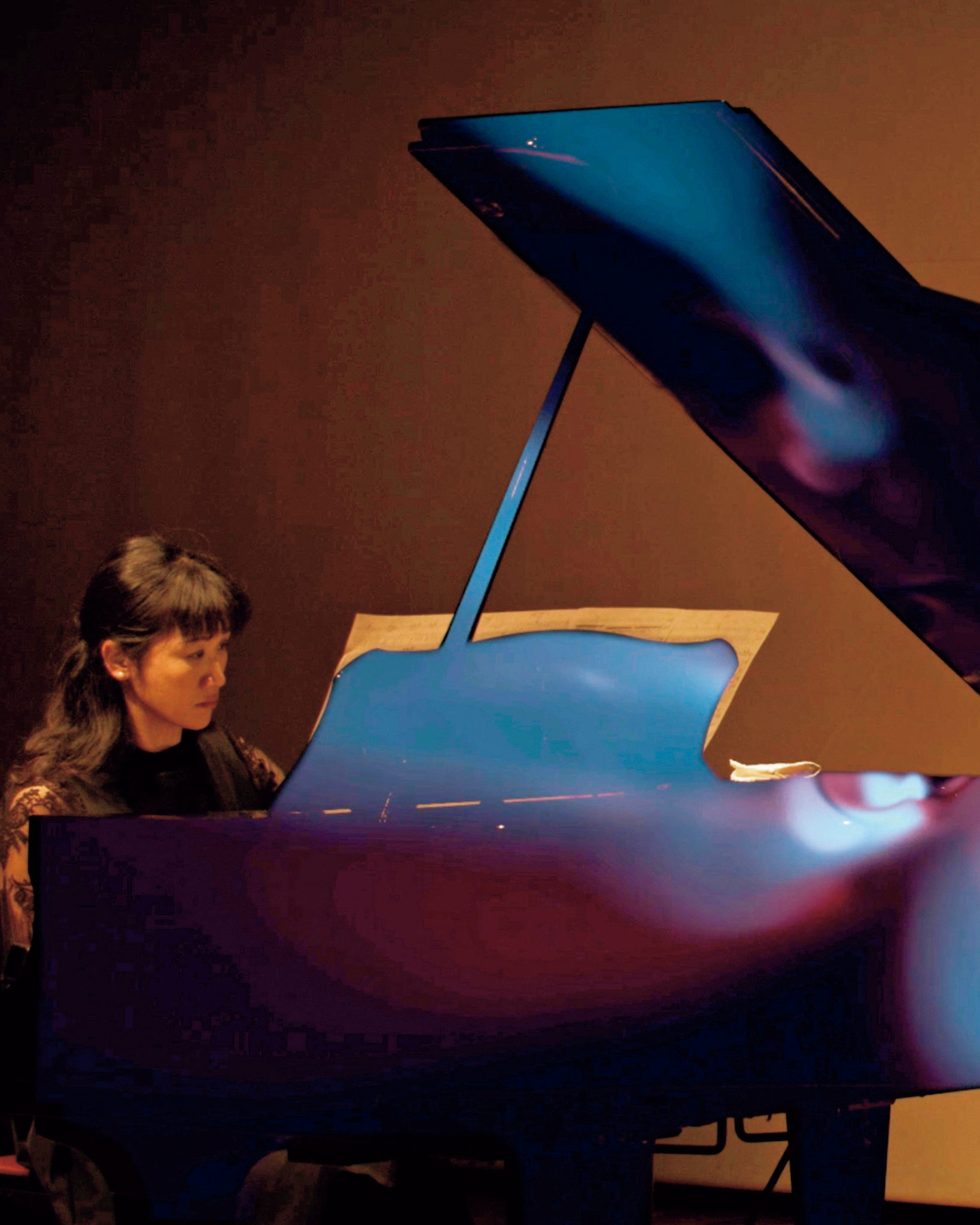
Composition
We train specialists with a high aesthetic sense and rich imagination.
Building on the knowledge and skills acquired in the first and second years, students aim to specialize in more specialized fields in the third and fourth years. There are various courses available, including the Applied Music Course, which teaches more practical techniques and knowledge necessary for composing and arranging film music, the Contemporary Music Creation Course, which aims to create original, cutting-edge works that are relevant to today, and the Composition Theory Course, which provides specialized study of music theory such as harmony and counterpoint.
Sonology (formerly Computer Music)
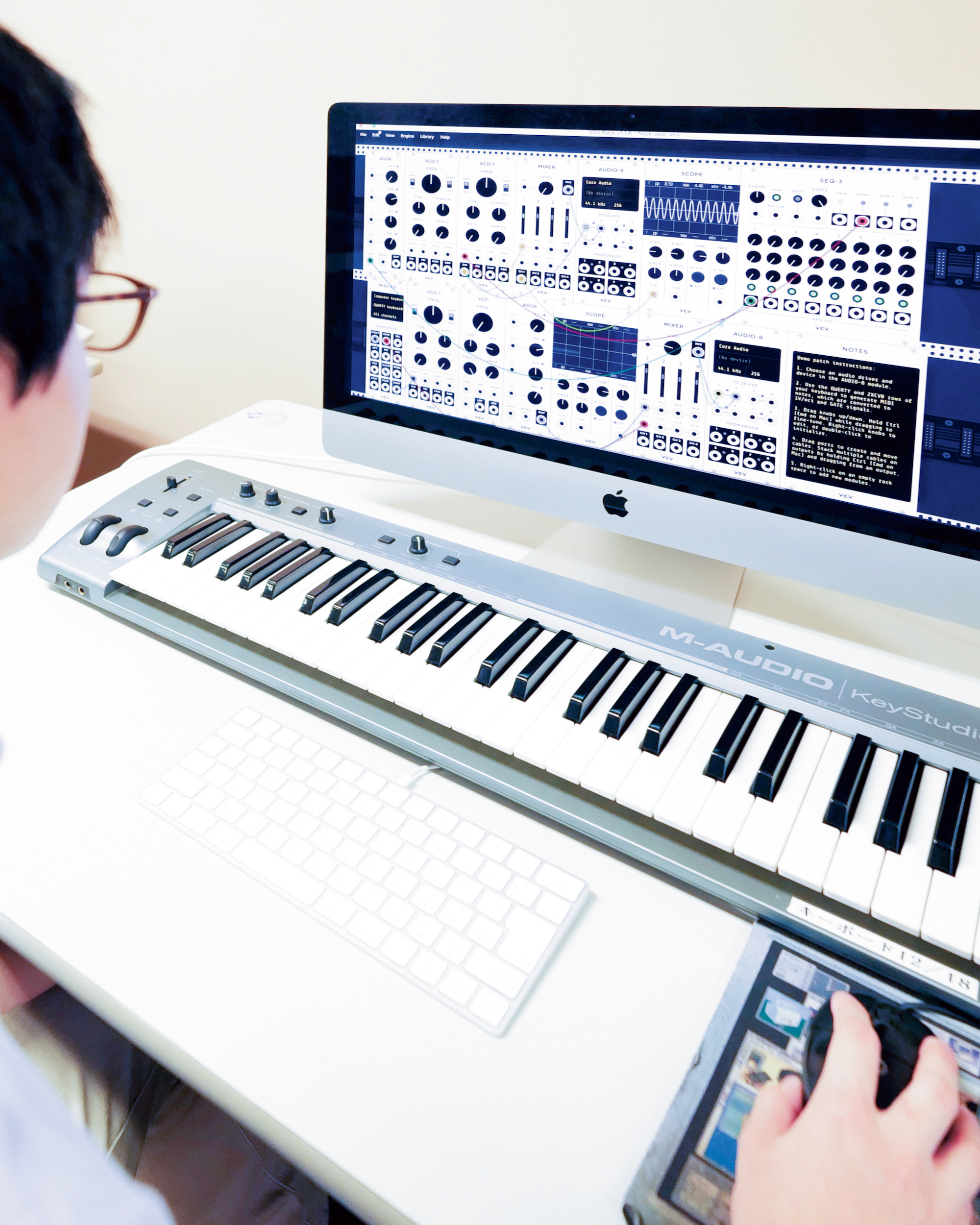
Exploring a wide range of technology-based musical practices
Using computers and other technologies as a foundation, students will explore a wide range of musical practices. While sound and music are the primary focus, students will also incorporate video, performing arts, interactive media, and mobile devices based on their individual interests, and attempt to expand the scope of practice from art to utility. In addition, students will acquire comprehensive skills and perspectives, including the ability to build and manage an environment for presenting their creative works. Our unique curriculum, which integrates computers, sound, and creative writing, cultivates "musicians" in the broadest sense, capable of creating an interdisciplinary world of sound with a high aesthetic sense.