
Department of Music Cultures & Education
Overview
To develop talented individuals who can contribute to the development of music culture in a wide range of fields.
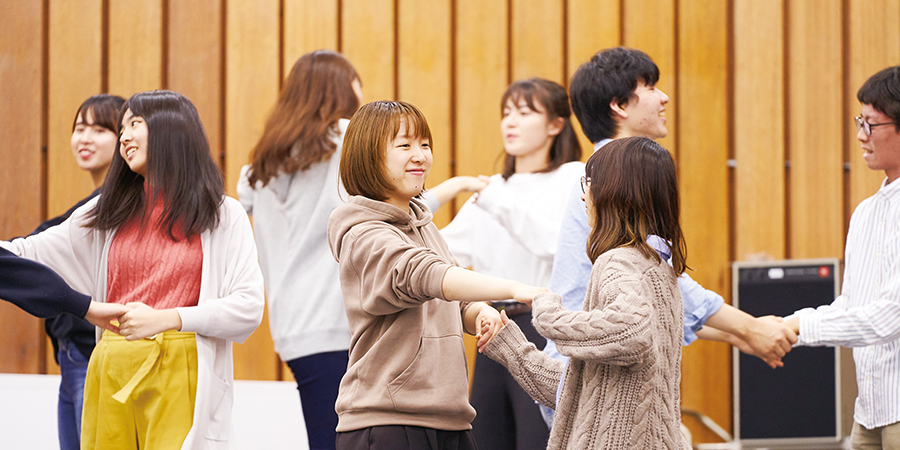
We aim to cultivate "music culture figures" with rich humanity who can utilize their advanced musical skills and wide-ranging knowledge to contribute to the preservation and development of diverse musical cultures, with the aim of realizing a better society. Specific examples of such individuals include school music teachers, kindergarten teachers, music therapists, musicology researchers, music instructors in local communities, and music-related planners, policymakers, and administrators. By taking programs (subject groups) established as courses outside of the curriculum of a specialized major, students can acquire knowledge and skills outside of their specialized field, broadening their future career options.
- Music Culture and Education Major
Educational purpose
We aim to train "musical intellectuals" with rich humanity who can utilize their high level of musical skill and wide-ranging knowledge to support diverse musical cultures and actively promote their development, with the aim of realizing a better society.
Admissions Policy
We seek individuals who have basic musical skills and knowledge, who strive to improve their skills and acquire knowledge through their studies at College, and who wish to contribute to society in the future through music in the fields of music education, music therapy, and music information.
Curriculum Policy
We are divided into two majors: Music Culture Education and Music Education for Early Childhood.
The foundation course aims to acquire fundamental musical skills and knowledge, while the specialized course focuses on the specialized fields of each major and specialization. Students can also acquire skills and knowledge outside of their specialized fields by taking courses offered as courses.
In the fourth year, students will compile their graduation research and other work and summarize the results of their studies at College.
Diploma Policy
Through music, students acquire the skills necessary to collaborate and play an active role in society, including the ability to communicate through high musical skills and a wide range of knowledge, the ability to empathize with others, and the ability to critically grasp and seek solutions to the challenges facing modern society.
Music Education
Aiming to become a music educator with a broad and rich humanity
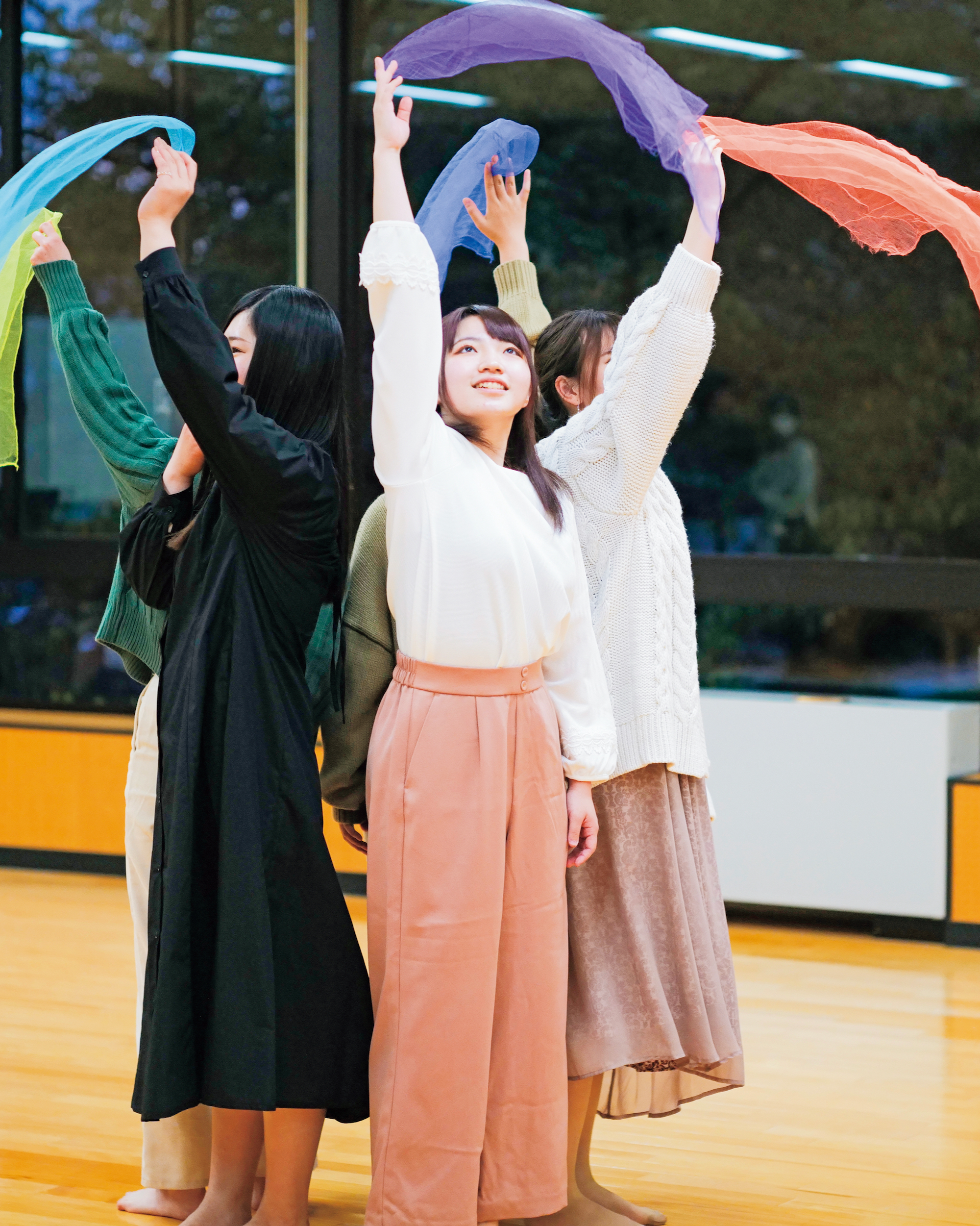
The aim of the program is to cultivate music educators who have a broad and well-rounded education and a rich humanity, while emphasizing a balance between specialized music subjects and Liberal Arts. The "Foundation Course" provides a solid foundation in specialized knowledge through university-wide Basic Subjects. At the same time, students study a variety of lectures, exercises, and practical expression that form the foundations of music education. In the "Specialized Course," all students can choose specialized seminars related to music education, allowing for broader and more advanced learning. Furthermore, students can choose to take courses in music education, such as "Community Music," "Wind Band Instructor," "School Education," and "Dalcroze Eurhythmics Specialty," as well as performance and creative courses, based on their wishes and selection.
*Graduating from Music Education does not grant you a teaching license. In addition to the above courses, you must also take a teacher training course.
Music Therapy
Learn about the hidden power of music through music therapy
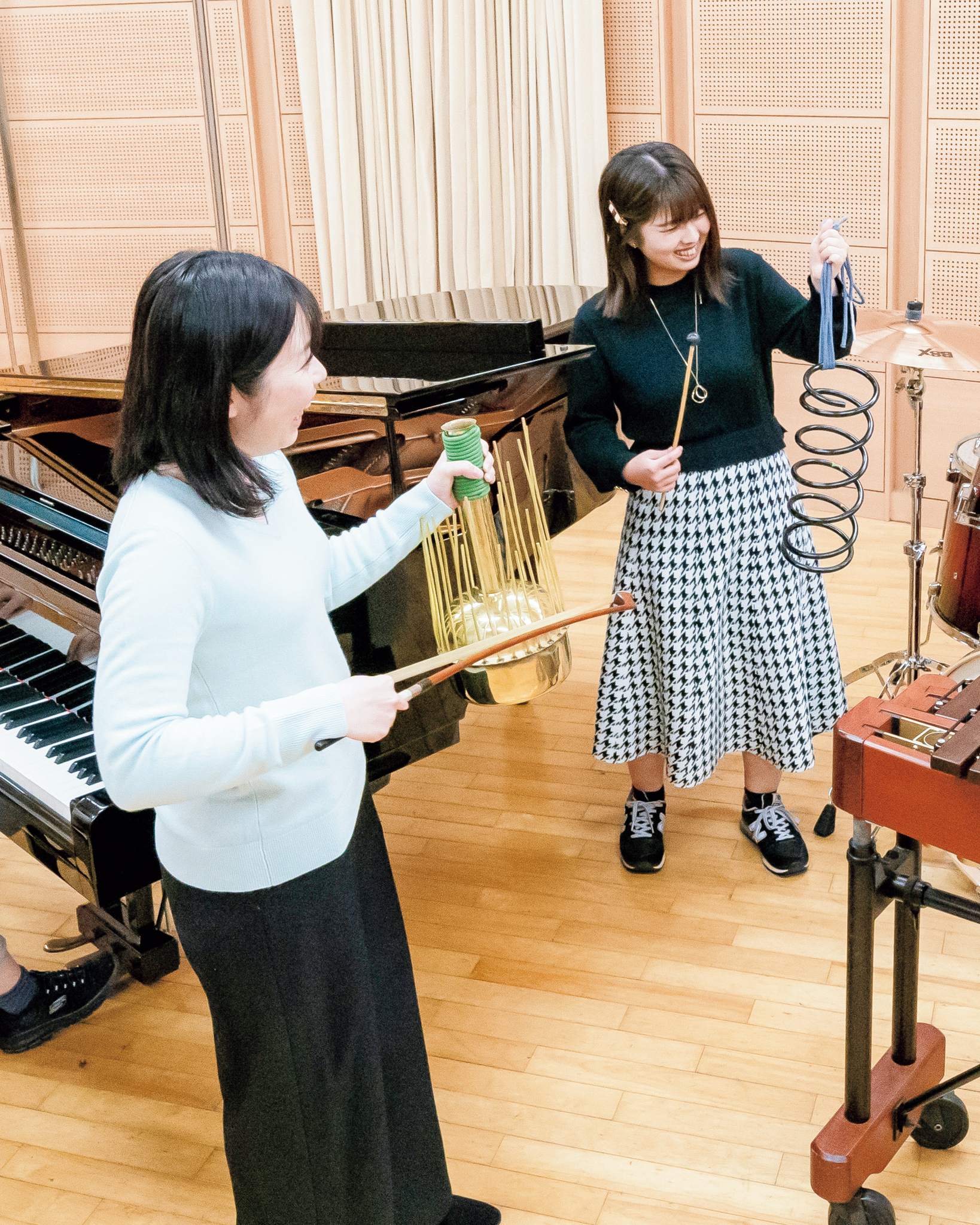
Building on the basic elements learned in the first and second years, students in their third and fourth years acquire specialized knowledge and master the process, professional ethics, and research methods. In particular, in cases involving children with physical and mental disabilities, students will study the effects of music therapy according to the child's condition. Furthermore, students will learn about music therapy for a variety of subjects, not just children with disabilities, such as those with mental illnesses and the elderly. In addition, a "Music Therapy Course" is available for students aiming to obtain a music therapist license. Students from other departments can also take the selection exam to enroll in this course.
Musicology and Music Informatics
With a broad perspective and flexibility, we disseminate information about music to society.
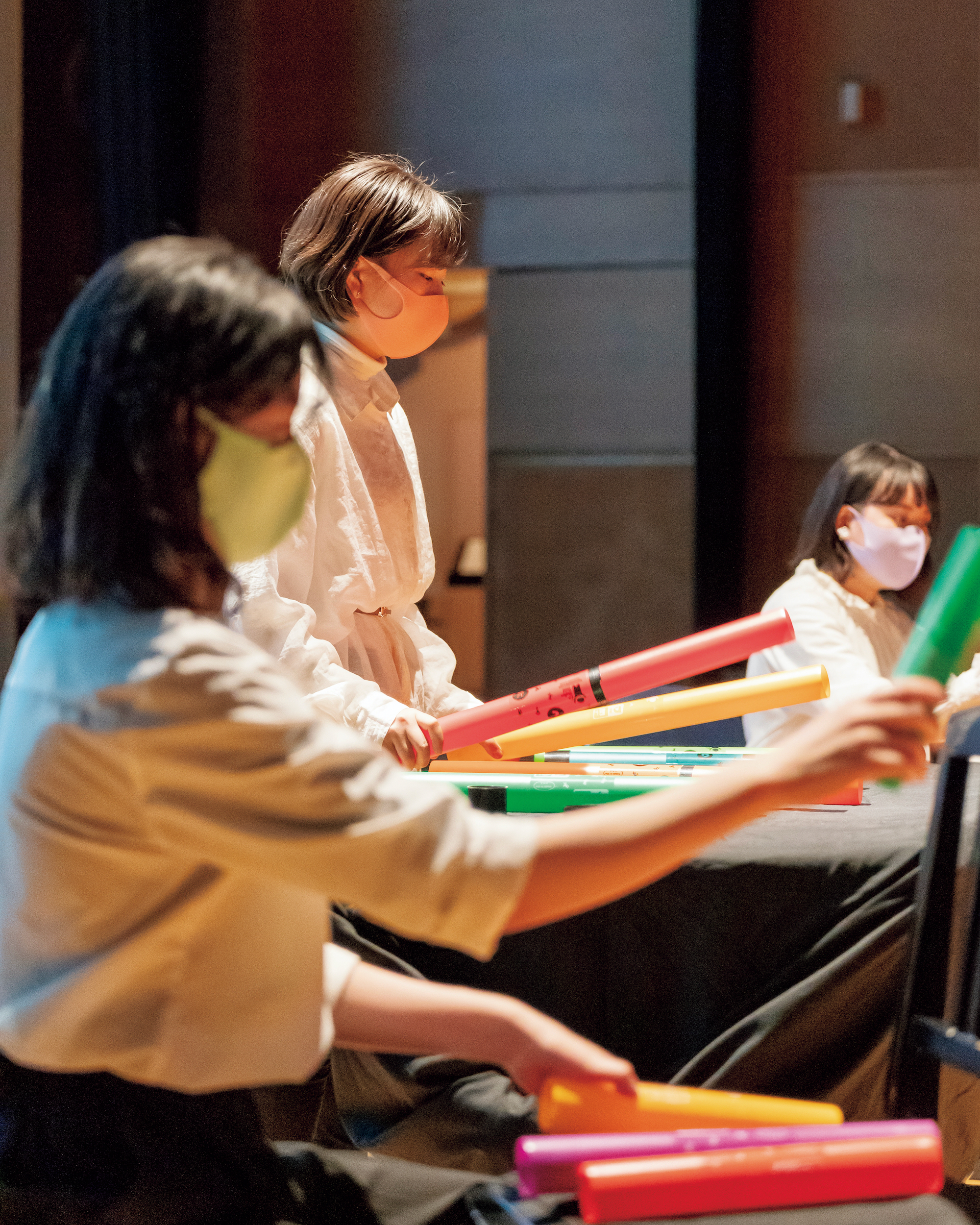
By broadly exploring information related to music, considering the origins and mechanisms of music, and the role of music in society, and learning ways to communicate the results to society, we cultivate talented individuals who can thrive in fields such as journalism, research, planning, production, and management. In their first and second years, students acquire fundamental musical skills, and in their third and fourth years, they acquire practical and applied skills in a variety of fields, including practical learning in editing and management, work experience through internships, musicology lectures and seminars, and instrument making. From learning closely related to cutting-edge music activities to building the foundations for researchers, the possibilities for this major are endless.
Music Education for Early Childhood Major
The employment rate for those hoping to become kindergarten teachers is 100%. In addition to music teaching techniques for young children, students also hone their communication skills.
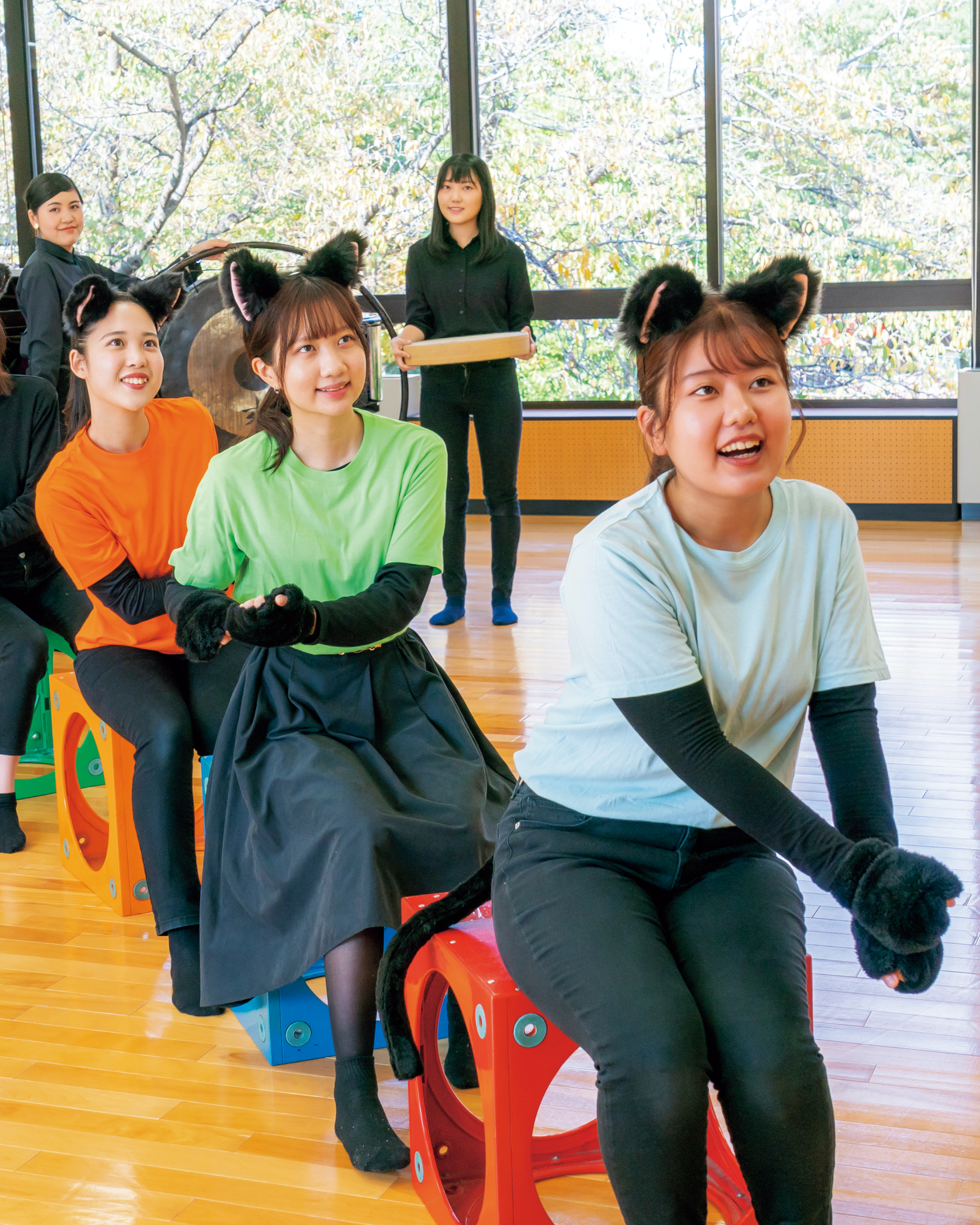
In addition to developing musical techniques for young children, students also hone their communication skills, cultivating kindergarten teachers with a rich musicality, a tradition at our college. In the first and second years, students will hone their musical abilities through Basic Subjects common to all students, while also studying subjects and practical expression required for kindergarten teachers. In the third and fourth years, students will take the subjects required for kindergarten teachers, as well as our unique seminar classes, such as "Expression Education," to further enhance their abilities. Students can take a variety of specialized subjects, and are also able to take music education courses or other courses.