
Music Education for Early Childhood Major
Faculty of Music, Department of Music Cultures & Education, Music Education for Early Childhood Major
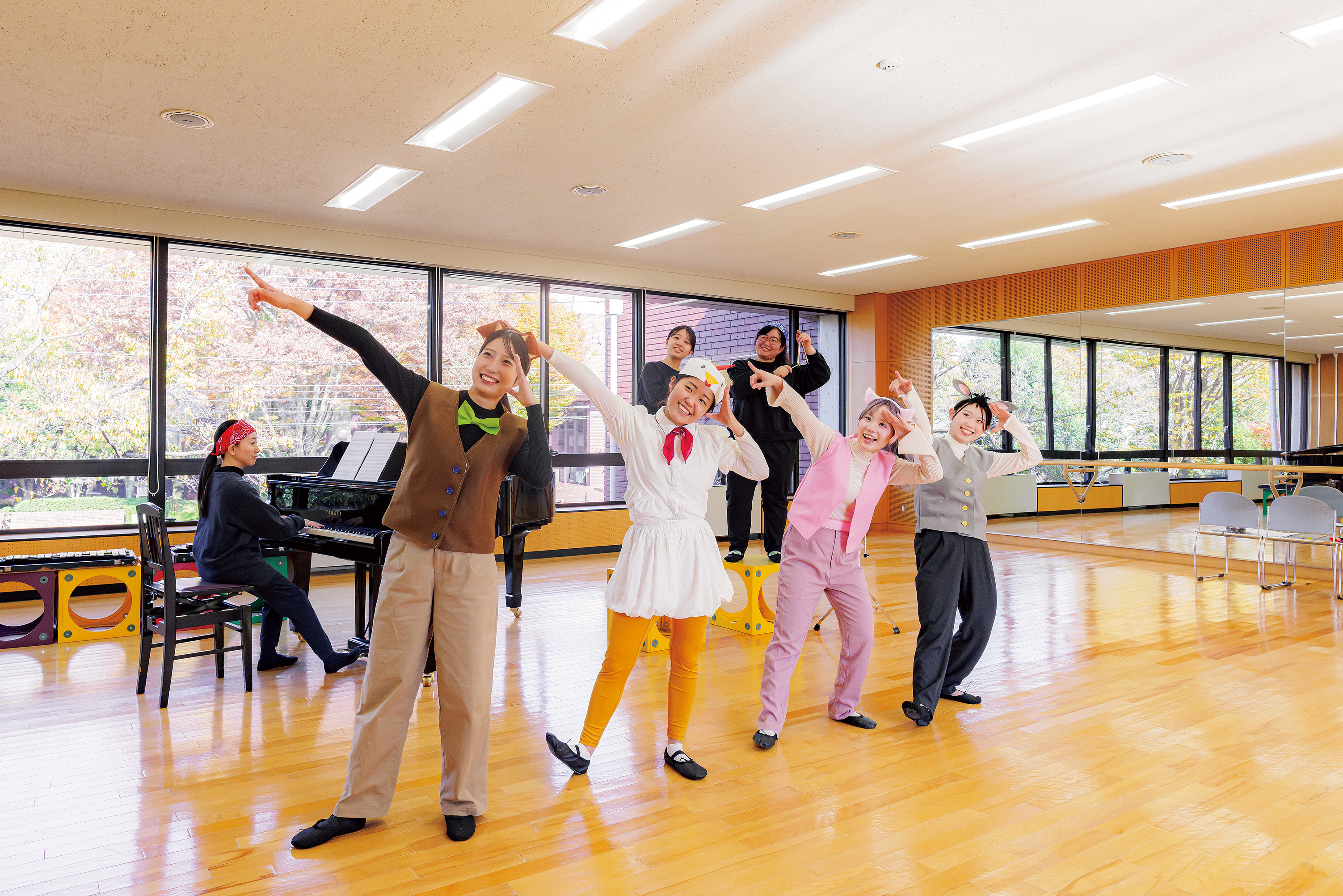
A specialist in music and early childhood education who conveys the richness of music to children
This kindergarten teacher training program, offered at a music university, boasts a unique environment surrounded by high-quality music. Through diverse musical experiences, students enhance their musical abilities while simultaneously learning the essence, principles, and various teaching methods of early childhood music education. Following this, in addition to the courses required for obtaining a teaching license, students take the university's unique "Expressive Education" course. Thanks to this practical education, the employment rate for students aspiring to become kindergarten teachers is 100 percent.
Point
Tanabata Festival
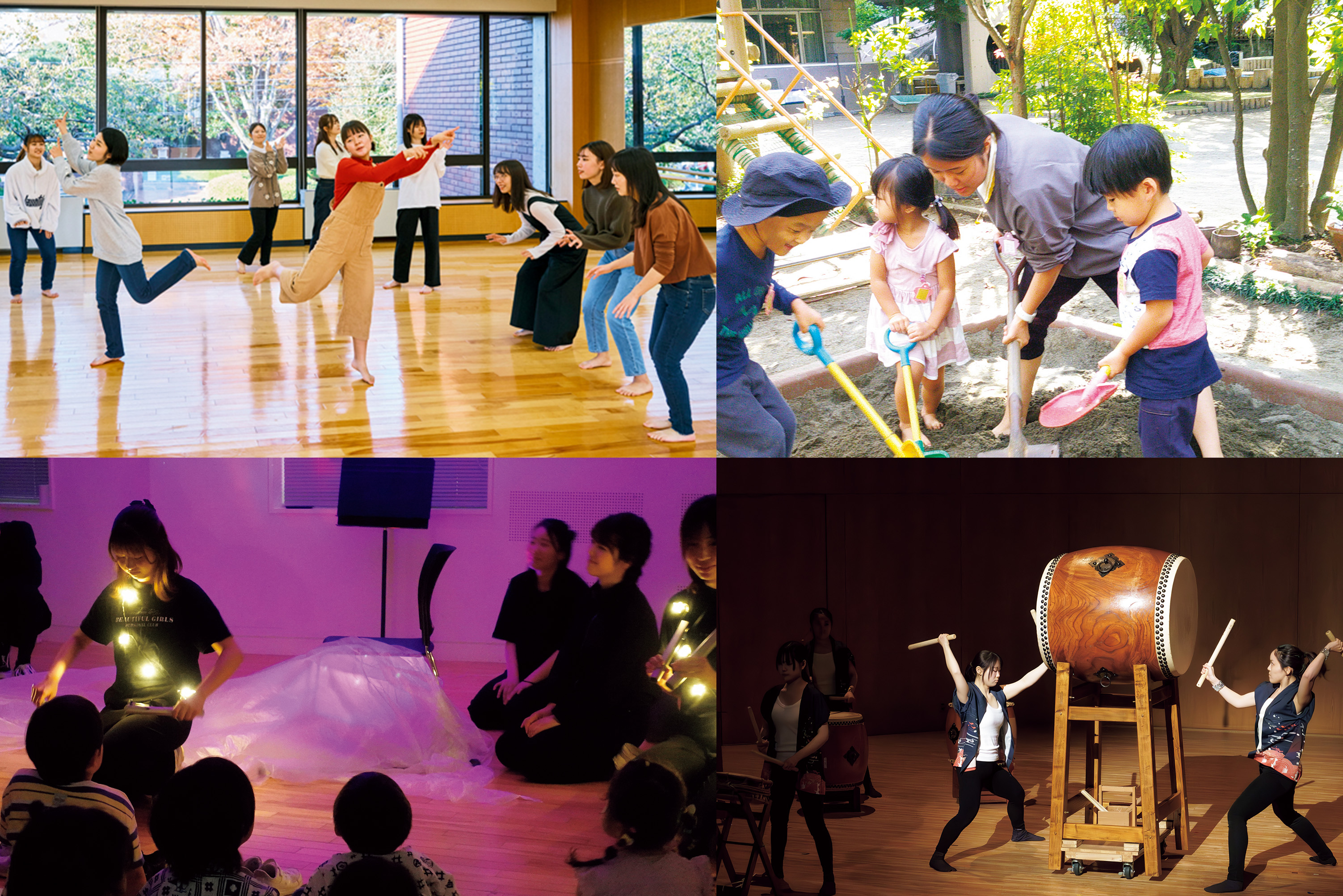
This traditional event, held every summer for over 60 years, serves as a place for interaction with children. Planned and run primarily by students Music Education for Early Childhood, it invites local children to enjoy fun activities using handmade props and musical games.
Class and Activity Introduction
Lectures on Early Childhood Music Education
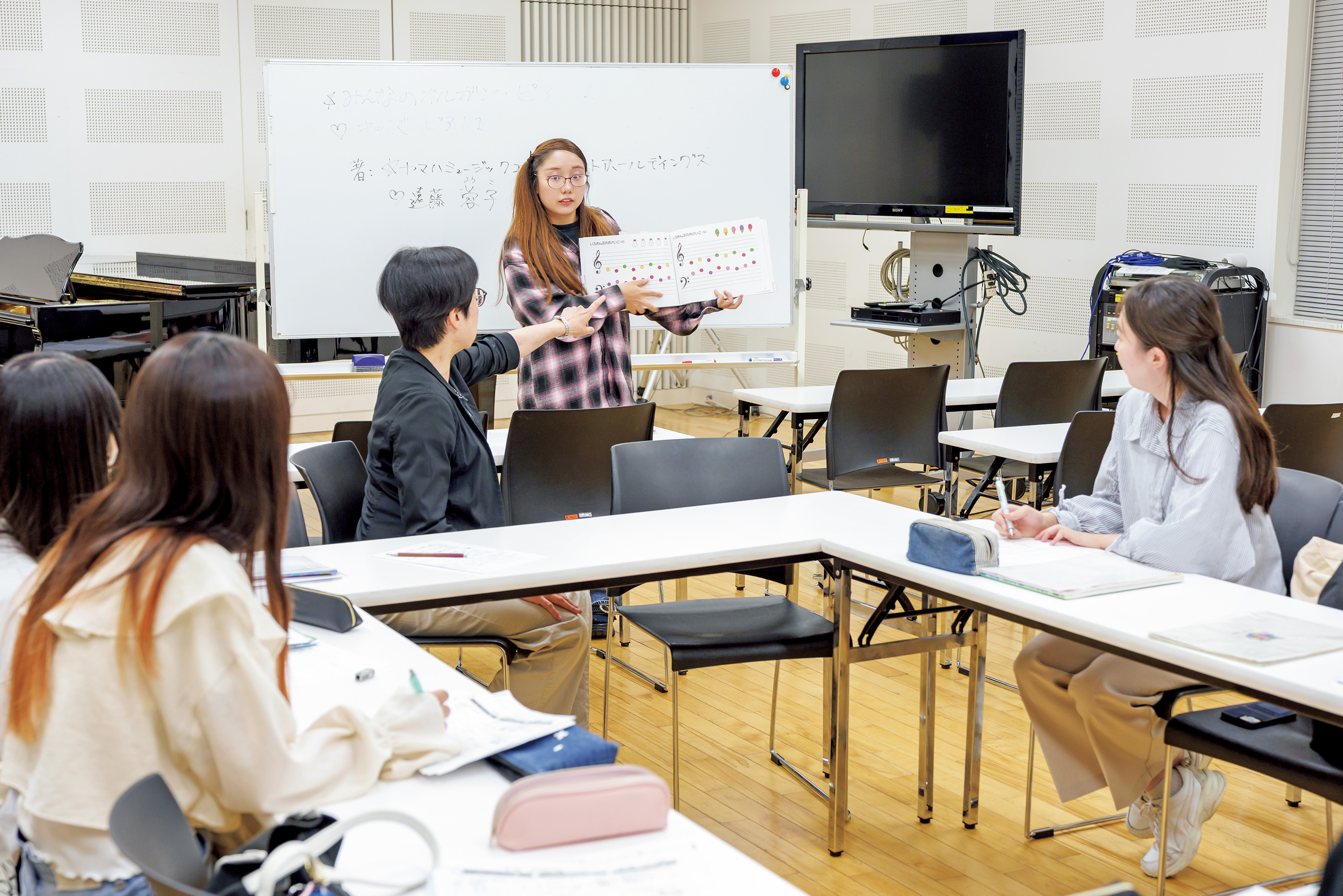
This course explores the importance of music for young children from various perspectives. You will gain an understanding of early childhood development, expressive activities, and the relationship between music and play, and acquire practical musical expression methods through diverse music education techniques.
Expression Education
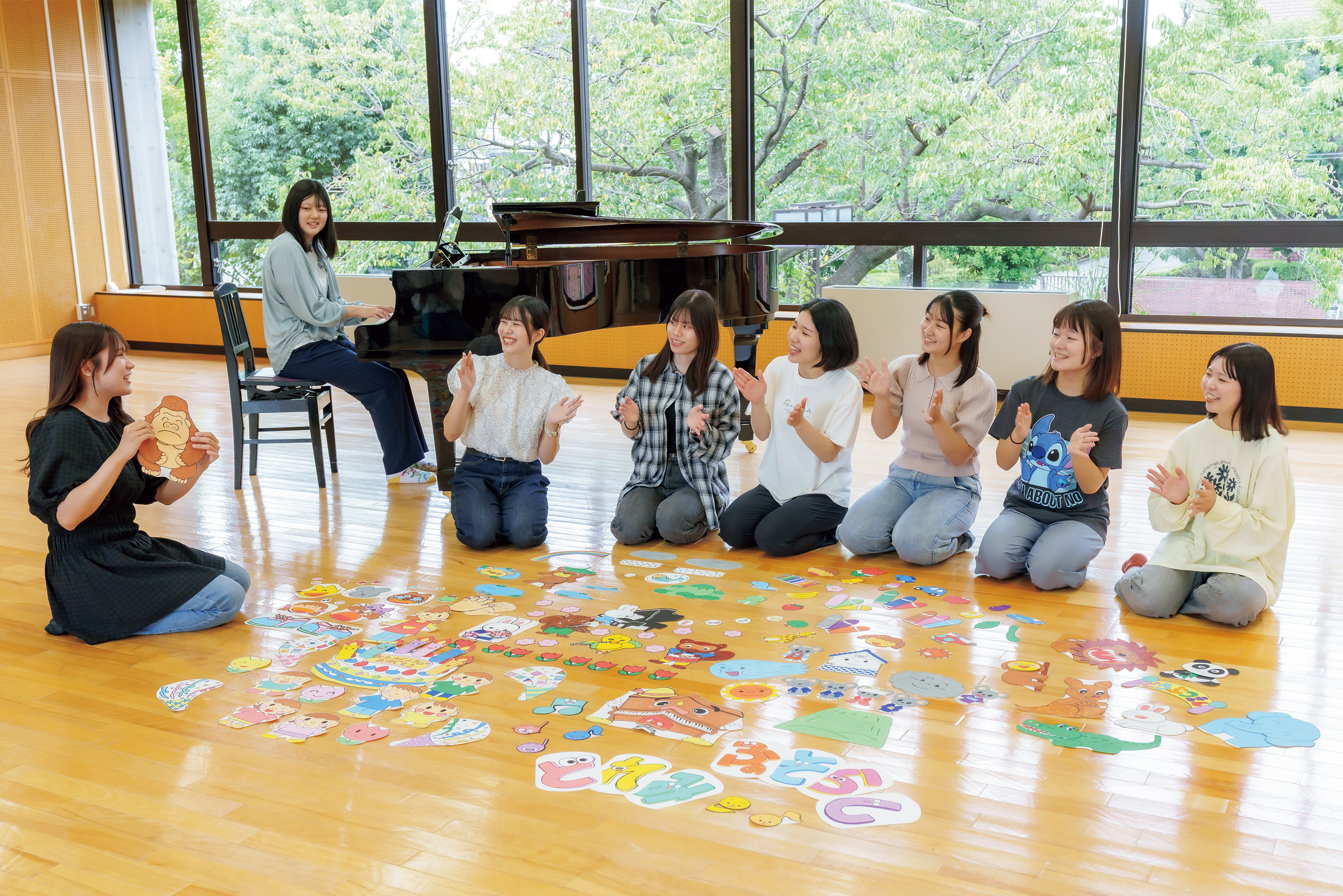
Students will learn expressive techniques and methods in a variety of fields, including Japanese drumming, theater and movement, and the making of cardboard play equipment, handmade musical instruments, and dolls.
Teaching Practice
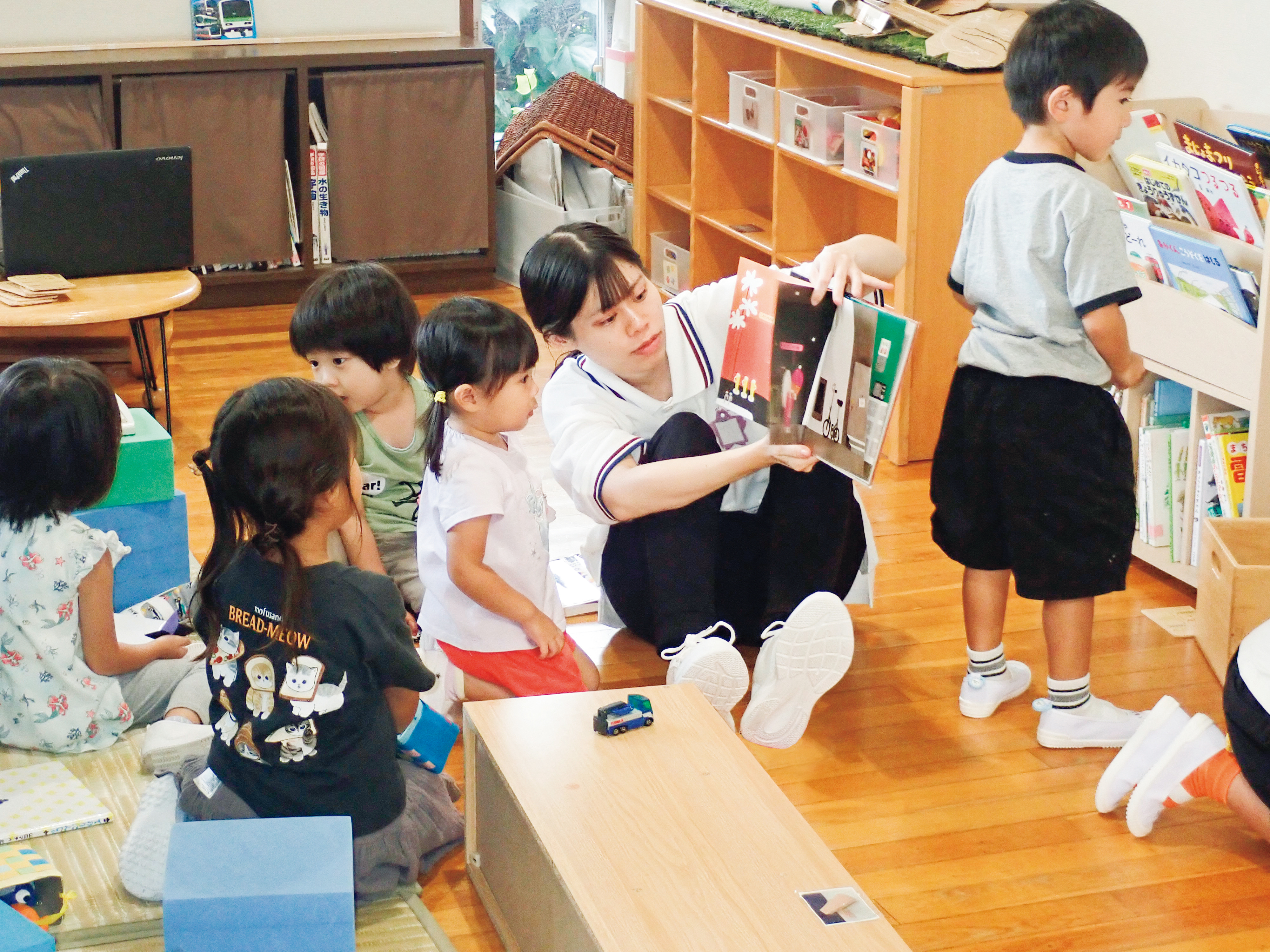
Students will undergo a four-week teaching practice at Kunitachi College of Music Kindergarten, kindergartens in their hometowns, etc. They will utilize the knowledge and skills they learned at College to acquire practical skills as early childhood educators.
in Focus - “Yokyo Day”
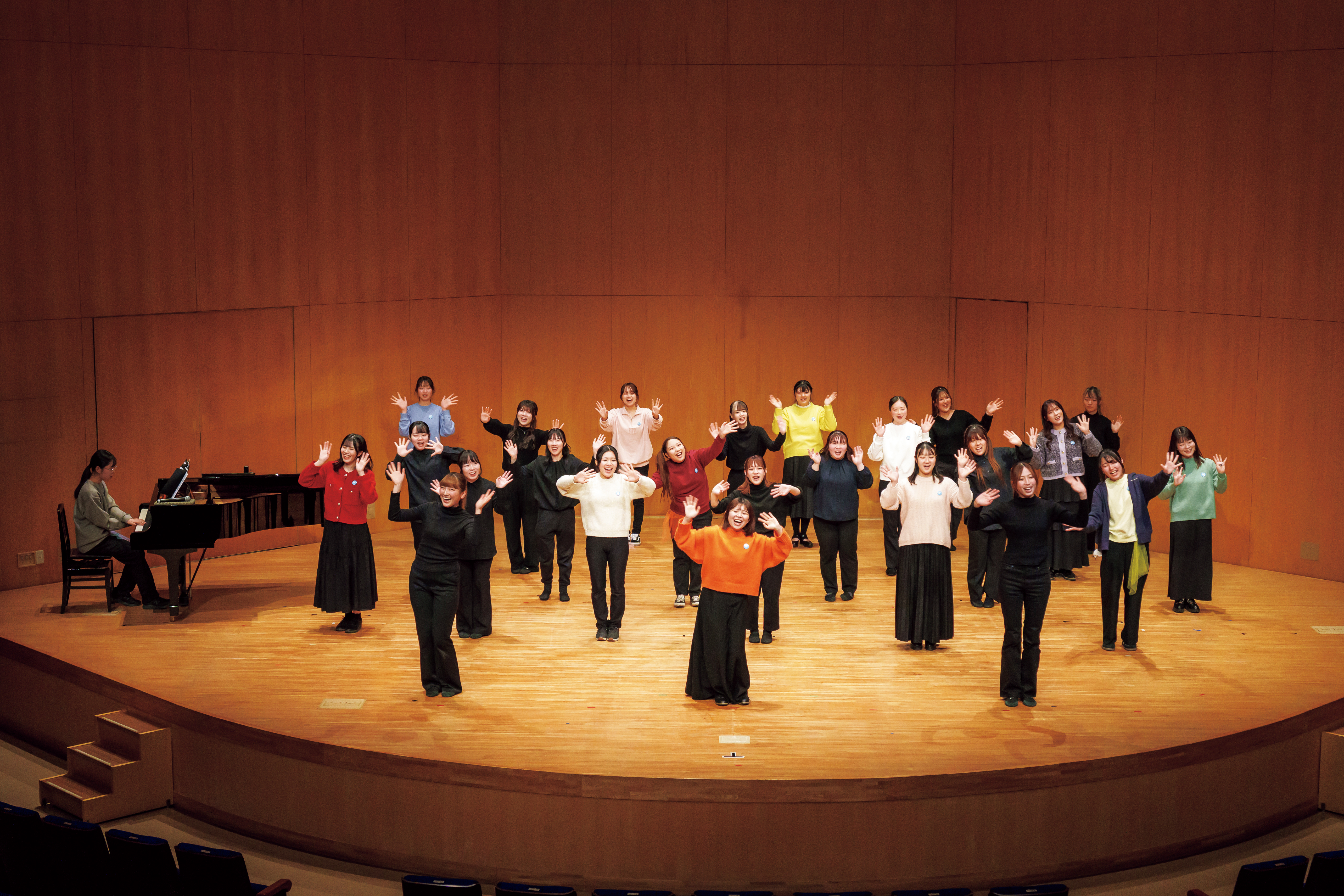
This event showcases the results of a year's worth of learning in subjects such as eurhythmics, percussion, and operetta. Students present musical plays they write themselves, from the script to the music, choreography, and costumes, as well as taiko drumming performances and group choral singing. Because the students handle everything from planning to execution, the sense of accomplishment upon completion is immense.
Student's Voice

In a class to get used to playing improvisationally
This will help you prepare yourself mentally when you go out into the field.
Miho FUNADO
Fourth-year Department of Music Cultures & Education Music Education for Early Childhood
Graduated from Kunitachi College of Music Kunitachi College of Music Senior High School in Tokyo.
Music Education for Early Childhood + Early Childhood Music Instructor Course
One of the appealing aspects of Kunio's Early Music Education for Early Childhood is that you can acquire a solid foundation in music while also learning about early childhood education. A particularly memorable class was the mandatory "Music Education Workshop (Improvisation)" in the second year, where we composed and performed songs based on themes such as zoos. Since improvisation is common in early childhood education settings, we learned to get used to it first. The eurhythmics class we took in the third year, where we divided into teacher and student roles, was also very beneficial as we learned actual teaching methods. Another appealing aspect is the opportunities to present what we've learned, such as at the Tanabata Festival and Early Childhood Education Day. Because the class size is small, we can deepen our bonds by working together on productions and event management, which I think is a unique advantage of this major.
Faculty Message
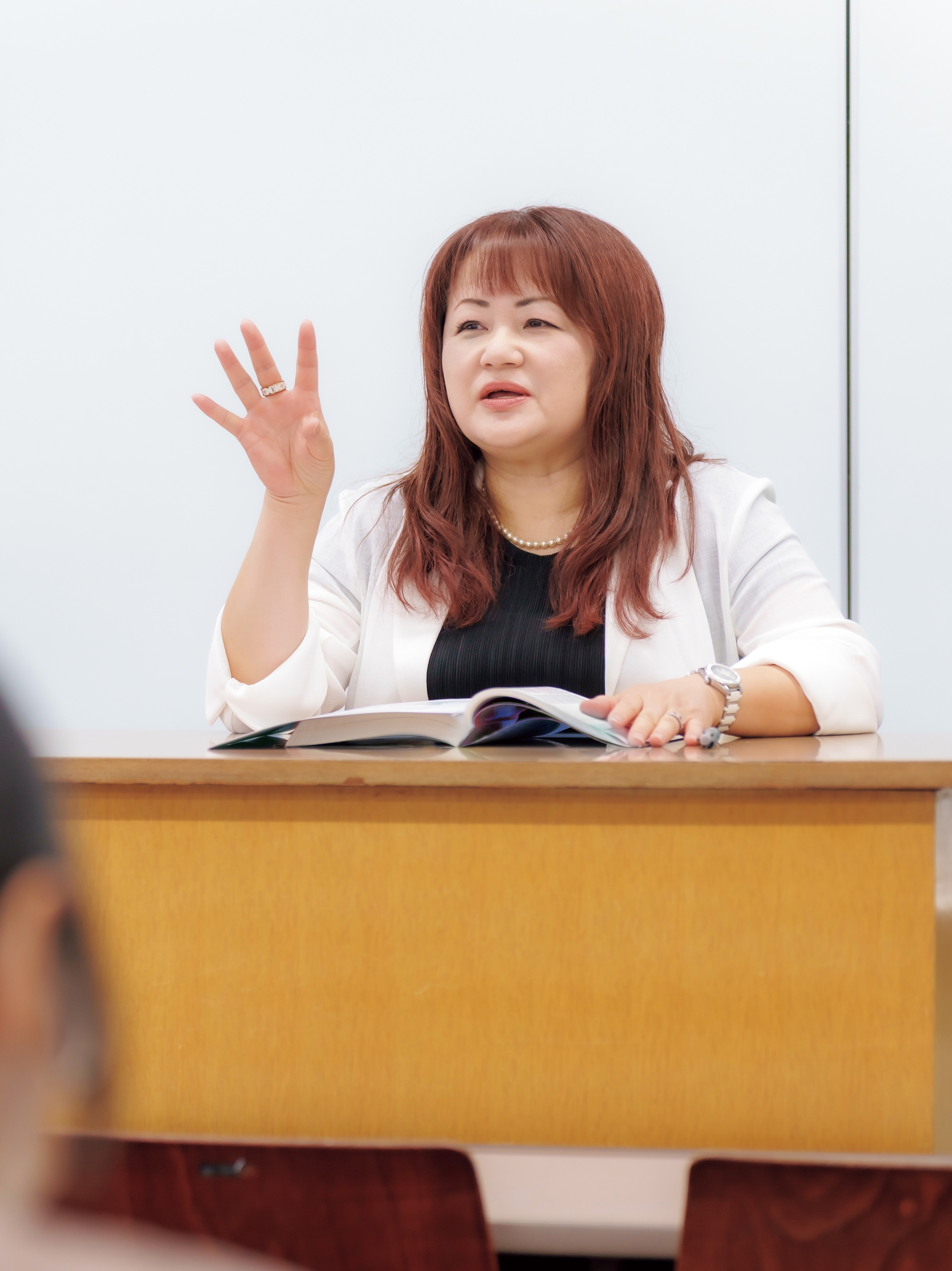
Four years of growing together as individuals
Mayumi YAHATA
Music Education for Early Childhood
Specialization: Child Studies, Children's Culture
During events like the "Tanabata Festival" and "Early Childhood Education Day," student-led executive committees plan and manage the events, providing practical learning opportunities and enhancing the communication skills necessary for childcare professionals. While disagreements sometimes arise during the creation process, students foster genuine friendships through friendly competition. The students' rich insights and ideas are a great source of learning for me, and I hope to grow together with them.
<Story>
As a child, I eagerly awaited and loved the time my mother would read me picture books before bedtime. Once I could read on my own, I began reading not only picture books but also a wide variety of children's literature. These experiences sparked my interest in children's literature, and I decided I wanted to study it professionally. My interest in children's literature is endless, and I continue to explore it.
<Profile>
She holds a Master's degree in Child Studies from Kyoto Women's University and its Graduate School of Home Economics. She also holds a PhD in Human Care Science from the Graduate School of Human Sciences, University of Tsukuba. Currently, she is highly interested in children's cultural assets that foster rich language development in children, particularly fairy tales and nursery rhymes, and is researching the works and worldview of Toshiko Takeuchi. She conducts numerous training sessions for childcare workers and kindergarten teachers. She also gives lectures to parents on child-rearing and picture books.
Department Introduction
Educational Goals
This major aims to train kindergarten teachers with a rich musicality who have a wide range of knowledge and understanding of musical elements in daily life and who can convey the joy and beauty of music based on rich musical expression and sensitivity. As kindergarten teachers, students will also acquire the ability to understand children's minds and work in cooperation with families and the community to provide childcare.
Admissions Policy
We are looking for people who want to use the music and childcare skills they learned at College to contribute to the development of children and the local community in the future, working in cooperation with others in kindergartens, music schools, etc.
Curriculum Policy
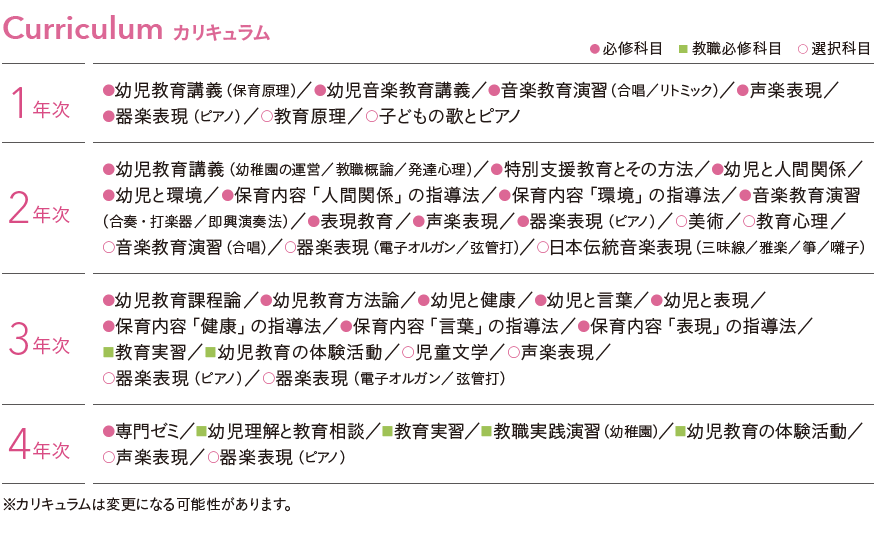
In the introductory course, students are given a wide range of musical experiences while honing their musical expression skills through classes in piano, vocal music, eurhythmics, chorus, ensemble, improvisation, traditional Japanese music, and more. At the same time, students learn about the essence and fundamentals of early childhood education, music education for young children, young children and art, and young children and theater. Music seminars emphasize group lessons, duets, choruses, and ensembles, helping students develop the ability to create expression through collaboration.
In the specialized course, students will study instrumental expression, expressive education, play research, etc. in order to broadly develop their ability to educate children on expression. At the same time, they will take specialized subjects to acquire the knowledge and skills necessary to become a kindergarten teacher and the ability to sense the hearts of children.
Diploma Policy
Students have the musical expression to convey the joy and beauty of music, specialized knowledge of early childhood education, and the communication skills to create relationships of trust and cooperation within kindergartens and the local community.
Department leaflet
